
Description
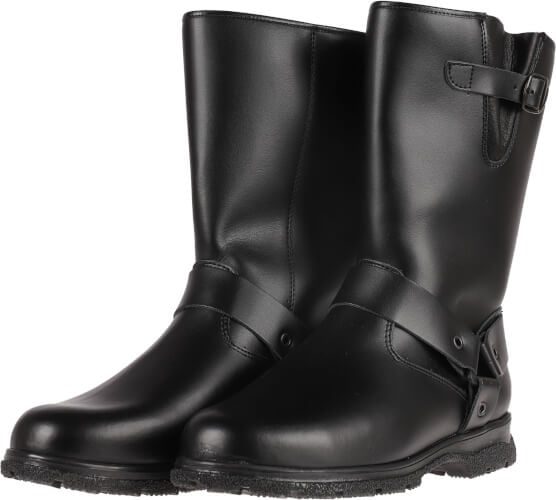
Classic, timeless and stylish leather boot for everyday use in the cold and variable conditions of the Nordic countries. The surface of the boot, completely manufactured in Finland, is top-grain leather, which naturally repels moisture excellently and the inner surface lined with soft teddy keeps your feet very warm. The boot is not only visually impressive but it fits the foot excellently and, thanks to the grippy sole, is sturdy and safe underfoot. The leather also withstands freezing weather well, remaining supple and usable and the boot is not averse to, for example, a drying cabinet.
Model 500 boot is also available unlined
The roots of this boot model date back to the 1950s, when the footwear began to be manufactured in Kankaanpää. They set out to make a boot that would withstand heavy use, be comfortable on the foot and keep the feet warm. Over the years small changes have been made to the shoe as production methods and materials have developed.
Upper leather and its care
The top-grain leather of the leather boot is carefully selected high-quality leather. It is naturally glossy, smooth and breathable, and the special treatment applied to it makes the material water- and dirt-repellent.
Top-grain leather is easy to care for and withstands even heavy use. It can be cleaned lightly by brushing (do not use a coarse brush and avoid pressing hard when brushing), with a damp cloth or with a cleaner cream intended for cleaning. Prevent dirt adhesion and surface fading with a protective spray, boot grease or a shoe plank and at the same time you improve the boot’s water repellency. You keep the leather boot’s surface looking like new with neutral or black shoe polish. Shoe polish is also suitable for treating scratches and wear in the same way as boot grease. You can improve the footwear’s water repellency by treating the stitched seams with beeswax or boot grease.
Grippy and durable Grip+ sole
Mänskä’s leather boots have very grippy and durable Grip+ soles. Non-uniform thickness patterns and lamellae that prevent slipping maximize friction in all directions of movement and channels move liquid away from between the soles and the surface, thereby preventing the formation of a slippery film. The sole also utilizes soft raised lamellae, which cause the contact time between the sole and the surface to be longer than with other soles. When stepping onto the ground, the lamellae collapse under pressure and while walking the lamellae follow the steps, lengthening the contact time and improving grip.
As the sole material of the leather boot, a compact and lightweight thermoplastic (TR) rubber is used. It offers excellent grip on bare ice and snow, resists wear well, does not harden in frost and even then retains its grip properties and has good resistance to flexing. The sole material also does not crumble over time like traditional polyurethane soles.